My phone rang and I couldn’t pick it up at first because I was still driving. I checked it later and found out the incoming call number is from the Netherland. I immediately called her back and was happy she responded.
She told me if she had come to my office and no one was there. She was looking for information about a tour in Ruteng. I wasn’t there because I had to go to the computer repair shop.
“I completely had no idea what to do in Ruteng since my original plan was to visit Wae Rebo but the village is still closed because of the bad weather”, she reminisced her story about why she ended up choosing our company to organize her tour for nine days exploring Flores Island.
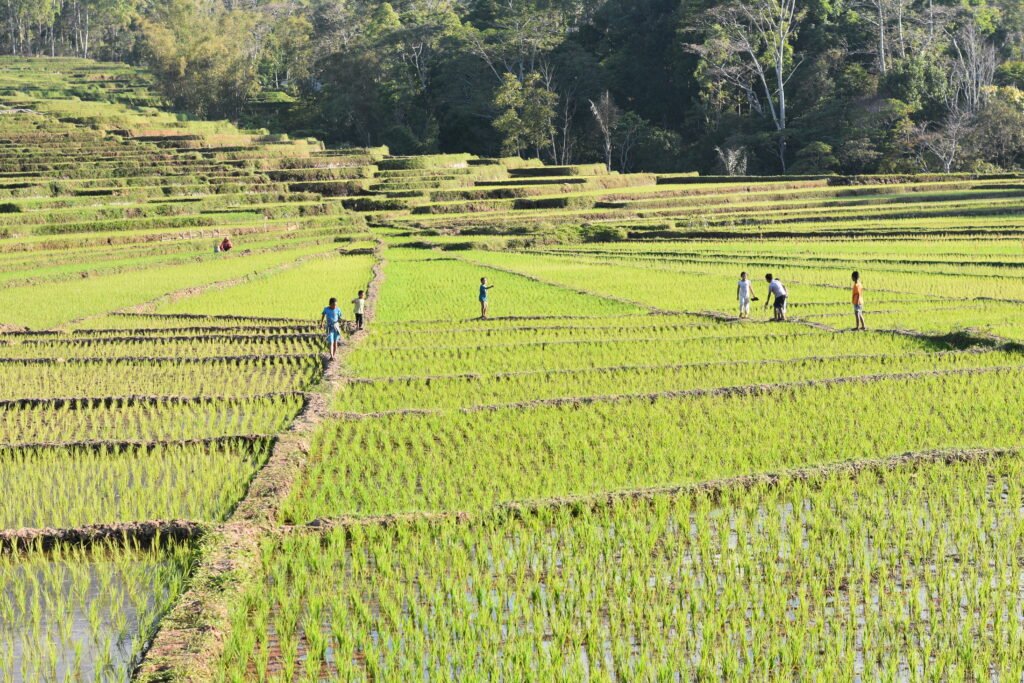
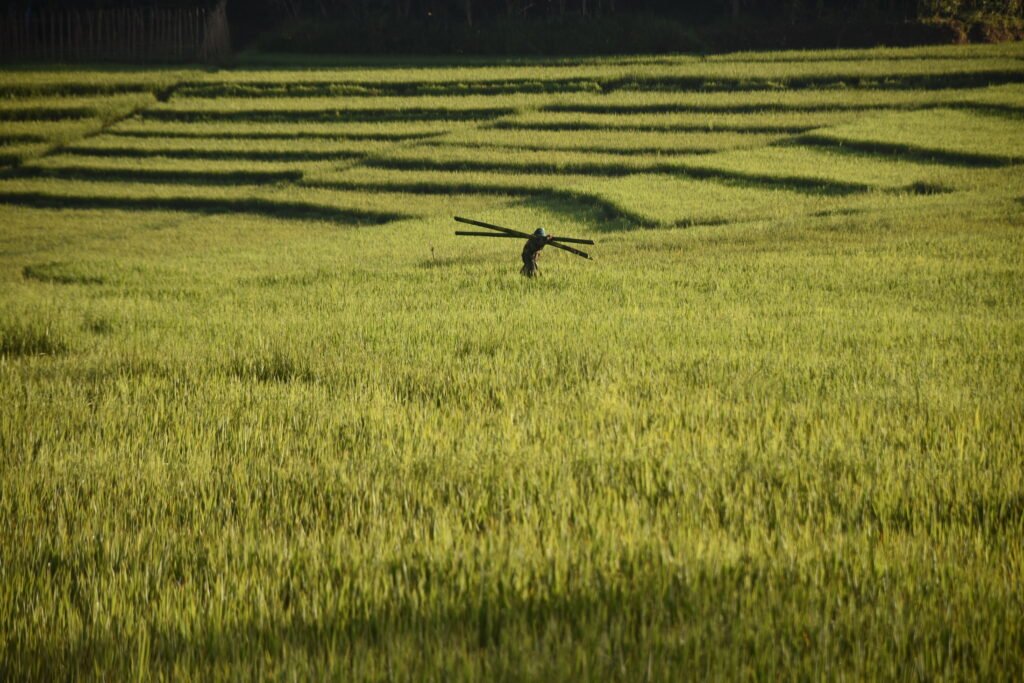
We started to explore Flores Island from Ruteng and began the tour by exploring the Lingko Ratung spider web field.
Planting Rice in Lingko Ratung
We started the tour pretty early that morning with Fleur, a solo traveler from NL who explored Flores in February 2026 when the tourist activities are not busy like in summer holiday.
We drove to the edge of Ruteng, to the east part, 6 km away from Fleur’s hotel at Casa Miya or 3 km from Ruteng city center.
The weather was pretty alright. The sky wasn’t full of clouds by the time we arrived, the rain seemed to come later as it used to come after lunch time and that’s why we did an early walk.
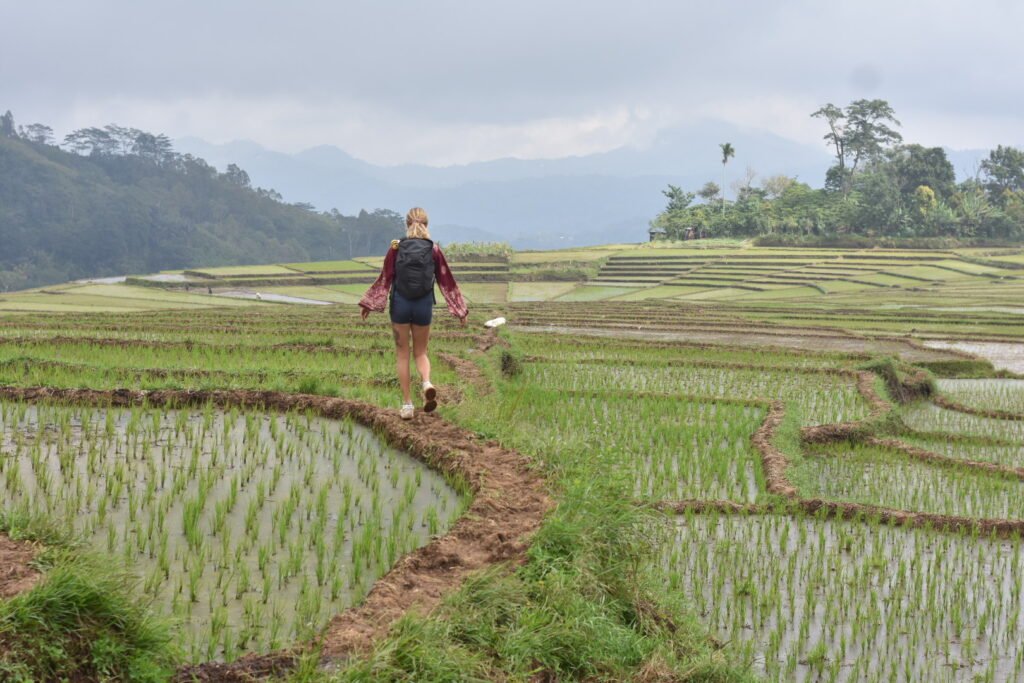
The entrance to the rice field is through the coffee plantations. The trail used to be small for people size but 10 years ago, the local government initiated an excavation to make it become a wider road so that trucks could go in to help farmers transporting their rice to their home during harvest time.
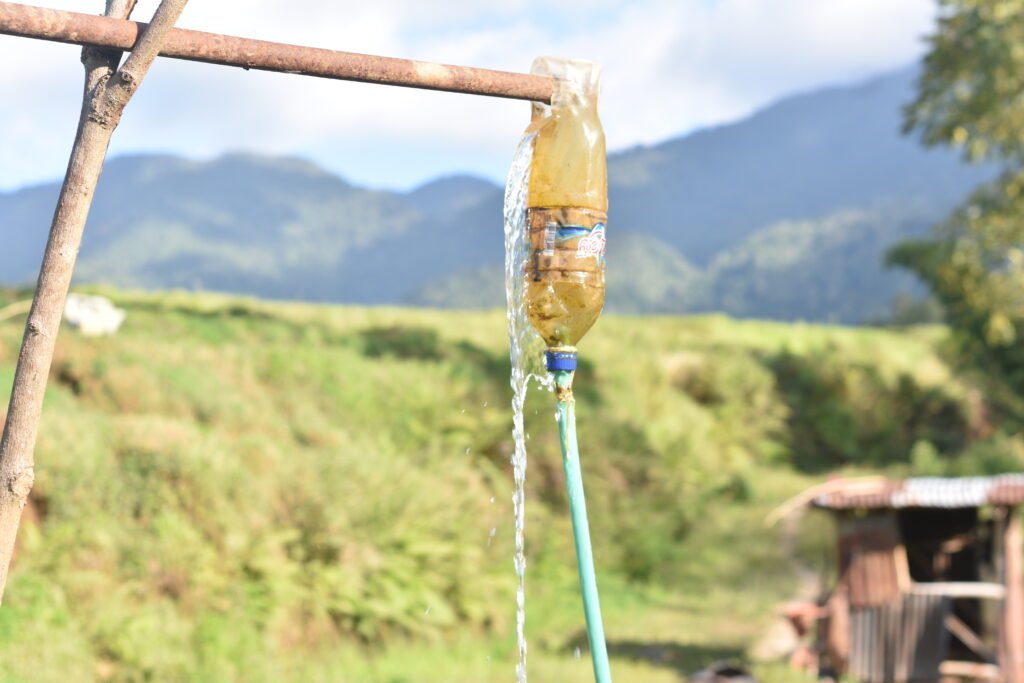
The trail is wide and has been built with some stones where people could step on them during the rainy season to protect their legs or shoes from getting wet. On the other side of the trail, the flow of water from the mountain continued to give us a joyful sound.
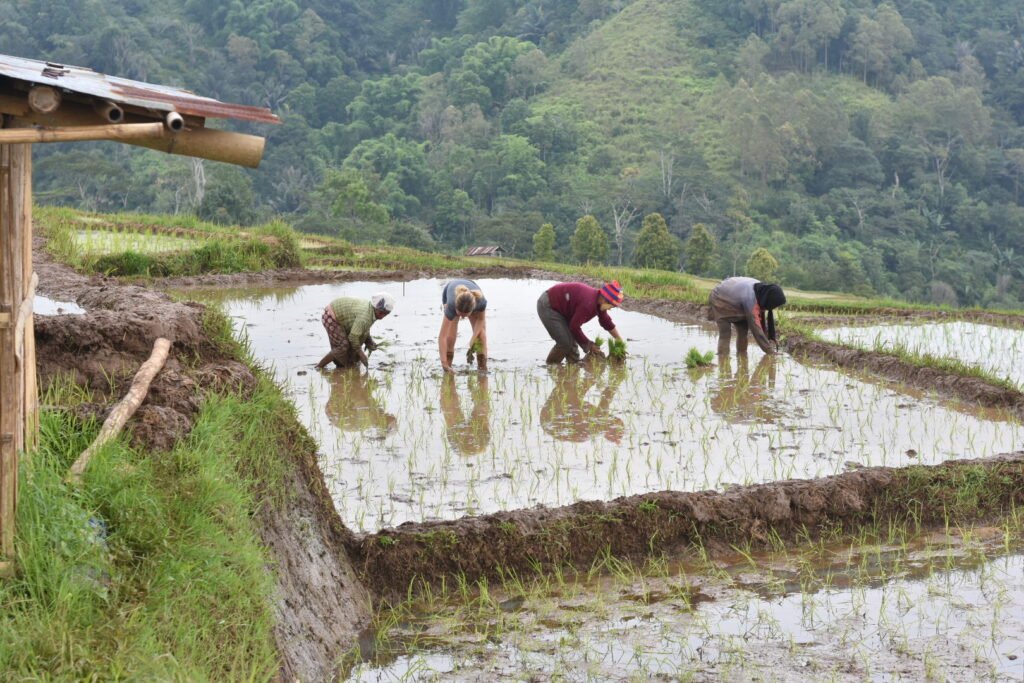
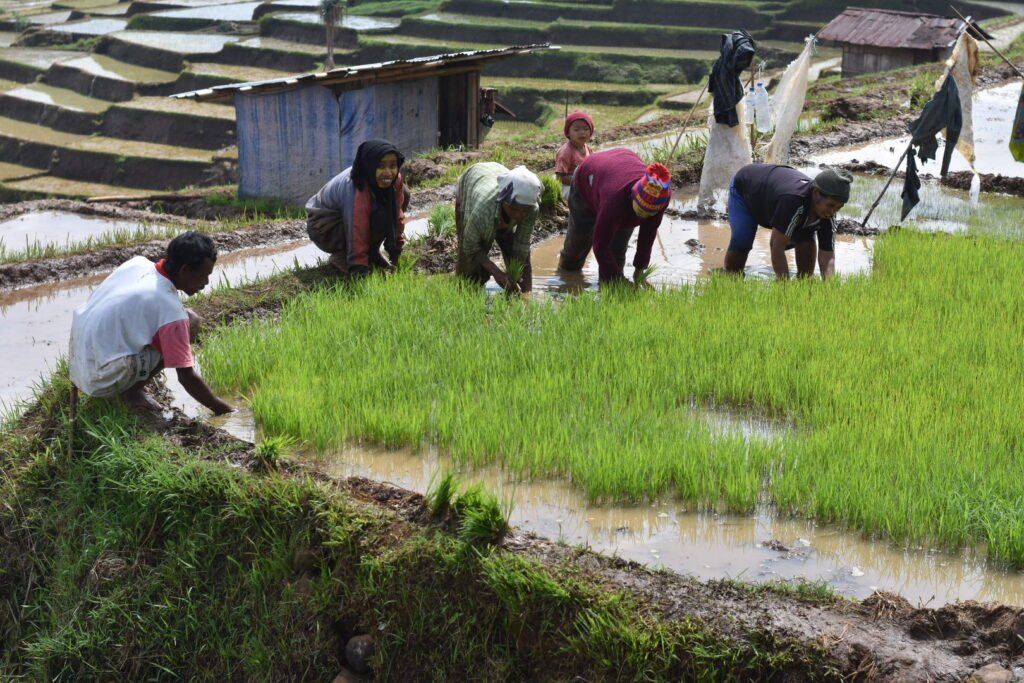
February is a month where farmers are mostly busy at the paddy fields to plant new rice seeds. As we walked over the spider web rice field, we found some farmers still planting new rice.
The men carrying the group of new seeds in both hands and the women standing in line inside the muddy field full of water with their bodies bending toward the wet soil stretching their hands left to right to put the seeds brought by the man planted into the field as new rice.
I shouted at the man who I recognized from elementary school. His name is Kocik (36).
Without hesitation, I asked his permission whether it is possible to join planting. Him with mud covered almost his entire body, still showing his teeth to accept our request so that we can join planting.
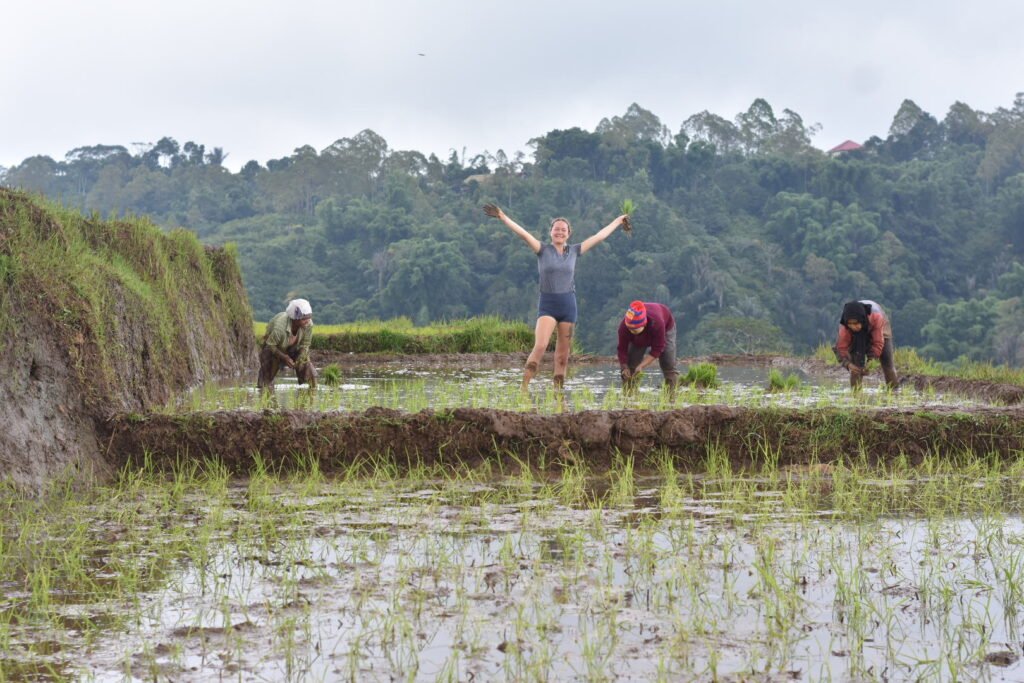
We walked down to reach the paddy field passing through the unfamiliar path which is a bit slippery and sloping ground. However, it didn’t stop Fleur from moving forward as she found the best possible way to reach the spot she wanted to go by using all her hands helping her legs to get past the obstacle. She finally could join the girls and be able to experience the moment of her life.
She then joined the farmers and started to plant rice brought by Kocik. The other woman helped her by teaching the right way to plant. Her left hand holding the rice and the right hand is used to take the seed planted into the muddy ground full of water. This activity is repeated time after time till the field is full of new seeds, of course the whole activity is done by bending over your body toward the ground.
We left the farmers till the field could be all done filled with the new seeds.