Ruteng Rice Field Trekking; Planting Rice at Lingko Ratung Spider Web Rice Field

My phone rang and I couldn’t pick it up at first because I was still driving. I checked it later and found out the incoming call number is from the Netherland. I immediately called her back and was happy she responded. 

She told me if she had come to my office and no one was there. She was looking for information about a tour in Ruteng.  I wasn’t there because I had to go to the computer repair shop.

“I completely had no idea what to do in Ruteng since my original plan was to visit Wae Rebo but the village is still closed because of the bad weather”, she reminisced her story about why she ended up choosing our company to organize her tour for nine days exploring Flores Island.

We started to explore Flores Island from Ruteng and began the tour by exploring the Lingko Ratung spider web field. 

Planting Rice in Lingko Ratung

We started the tour pretty early that morning with Fleur, a solo traveler from NL who explored Flores in February 2026 when the tourist activities are not busy like in summer holiday.

We drove to the edge of Ruteng, to the east part, 6 km away from Fleur’s hotel at Casa Miya or 3 km from Ruteng city center.

The weather was pretty alright. The sky wasn’t full of clouds by the time we arrived, the rain seemed to come later as it used to come after lunch time and that’s why we did an early walk.

The entrance to the rice field is through the coffee plantations. The trail used to be small for people size but 10 years ago, the local government initiated an excavation to make it become a wider road so that trucks could go in to help farmers transporting their rice to their home during harvest time. 

The trail is wide and has been built with some stones where people could step on them during the rainy season to protect their legs or shoes from getting wet. On the other side of the trail, the flow of water from the mountain continued to give us a joyful sound. 

February is a month where farmers are mostly busy at the paddy fields to plant new rice seeds. As we walked over the spider web rice field, we found some farmers still planting new rice. 

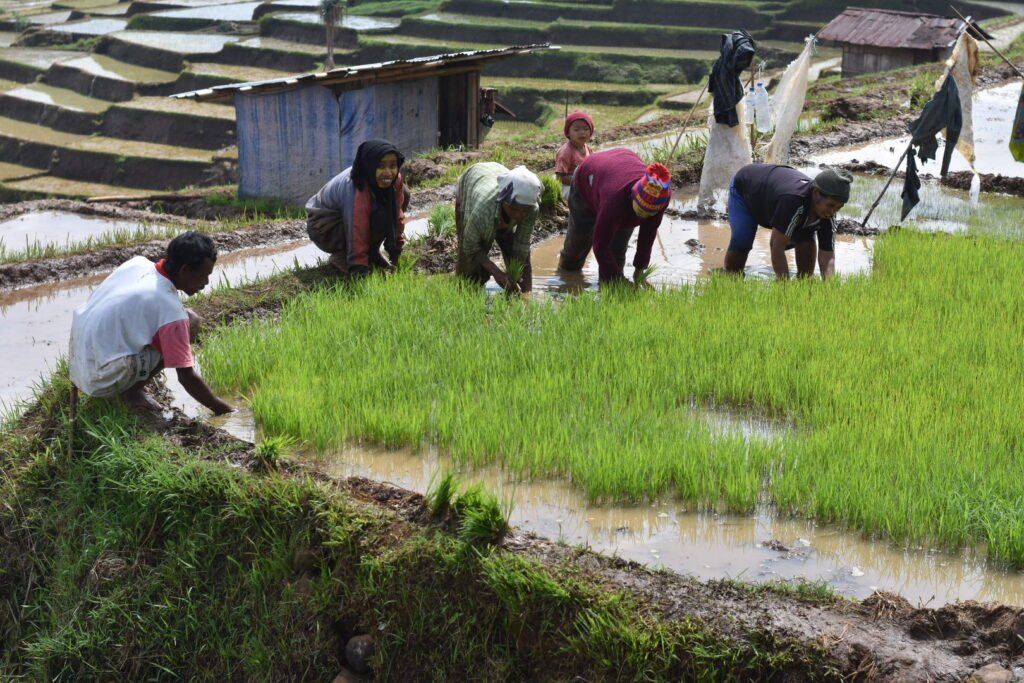
The men carrying the group of new seeds in both hands and the women standing in line inside the muddy field full of water with their bodies bending toward the wet soil stretching their hands left to right to put the seeds brought by the man planted into the field as new rice. 

I shouted at the man who I recognized from elementary school. His name is Kocik (36).

Without hesitation, I asked his permission whether it is possible to join planting. Him with mud covered almost his entire body, still showing his teeth to accept our request so that we can join planting.

We walked down to reach the paddy field passing through the unfamiliar path which is a bit slippery and sloping ground. However, it didn’t stop Fleur from moving forward as she found the best possible way to reach the spot she wanted to go by using all her hands helping her legs to get past the obstacle. She finally could join the girls and be able to experience the moment of her life.

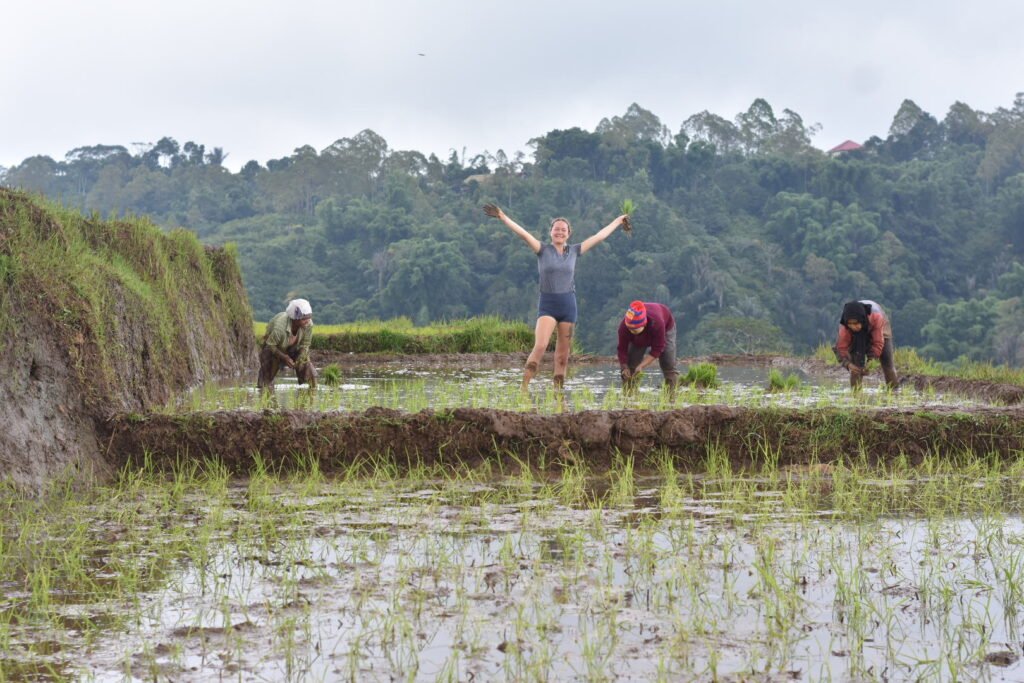
She then joined the farmers and started to plant rice brought by Kocik. The other woman helped her by teaching the right way to plant. Her left hand holding the rice and the right hand is used to take the seed planted into the muddy ground full of water. This activity is repeated time after time till the field is full of new seeds, of course the whole activity is done by bending over your body toward the ground.

We left the farmers till the field could be all done filled with the new seeds.
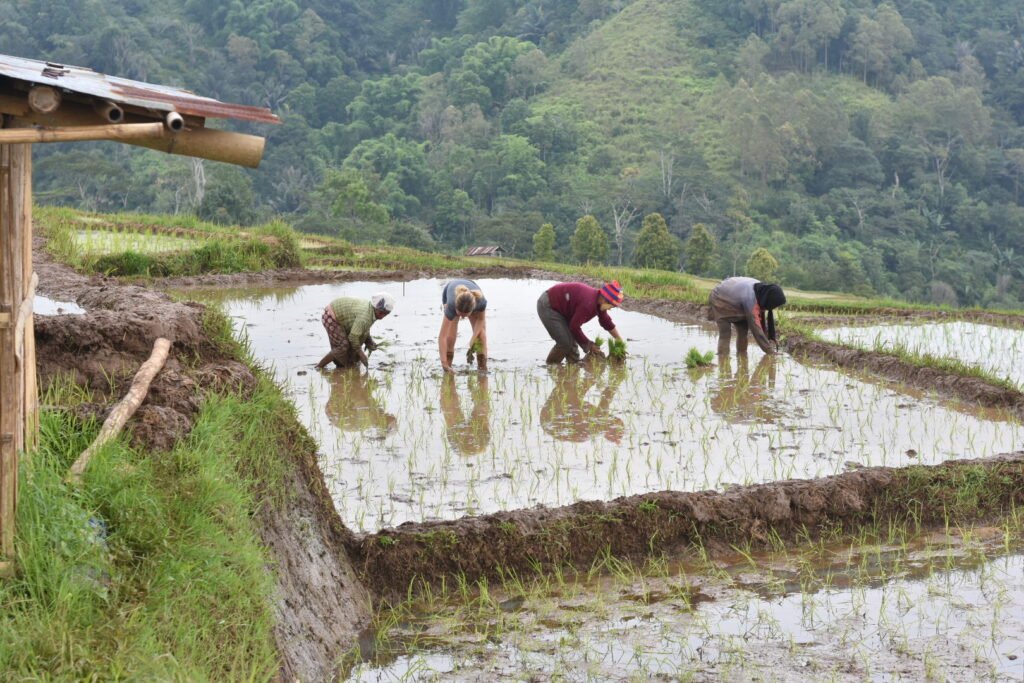
Planting Rice in Lingko Ratung
Fleur was tring trying to plant the new rice with the farmers. This is her first time to experience being in the paddy field full of mud and water.

Ratung, an Abandoned Village

As we moved back to the main trail, we met Bernadus Nancu, one of the elders from the Ratung clan who is in charge of tu’a teno, responsible for land distribution in Manggarai culture.  He was still working to cut off grass growing inside his coffee plantation.

“In 1860’s this coffee plantation was occupied by the people of the Ratung clan. The village was abandoned because there were some rare natural phenomena toward the people. The village was hit by the light even though there was no rain”, Bernadus explained about why the village is left by the residents. 

He claimed that the phenomenon was caused by the misbehaviour by the people who did immoral like incest. He also added that the reason was also because of the endemic disease. As I checked online, there was a big problem toward the Indonesian citizens during the colonial era in 1860’s. The disease was diarrhoea, dehydration, and vomiting caused by Vibrio Cholerae bacteria (source).

“Nowaday, no one wants to come back or plans to stay here because of that tragedy”, Bernadus explained.

The villagers are spread to some villages near the area including Laci, Carep, Langgo, and Tenda inside Ruteng City.

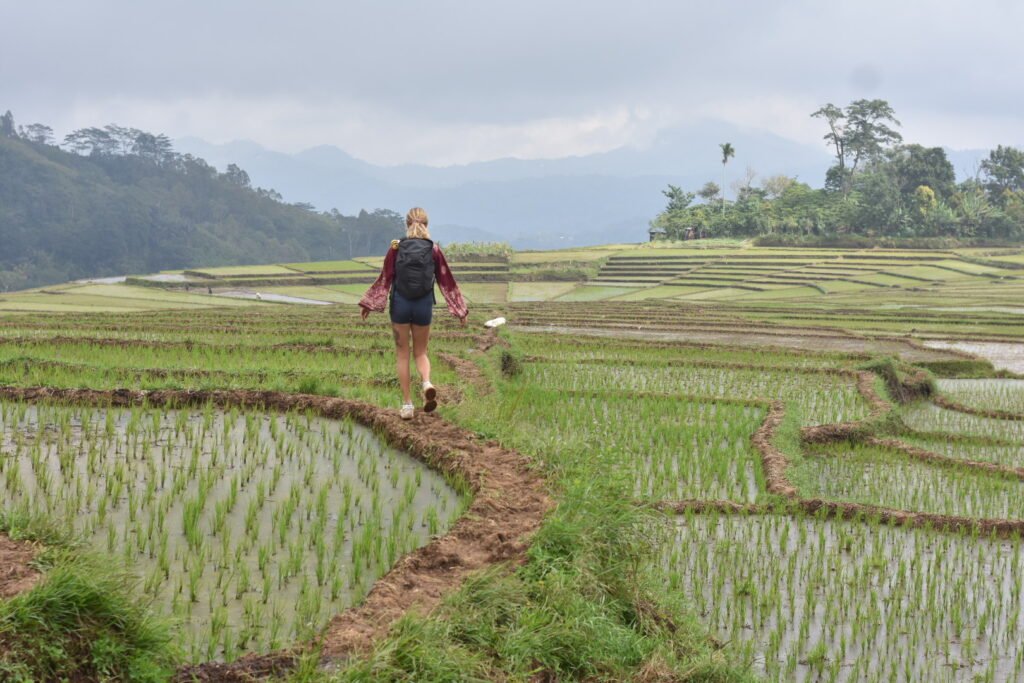
Walking in the rice field
Fleur to the Ratung village through paddy field path inside the spider web rice field. The name of the rice field is derived from the village name which has been abaounded. Now, the area is full of crops like coffee trees, clove trees, and vegetables but the neoliticum sites are still there

What you can expect from Lingko Ratung 

After listening to Bernadus about the story of the abandoned village Ratung, I am convinced that the view of the area will remain beautiful forever as it is without getting spoiled by any types of buildings because people will be afraid to do so, frightened by the tragedy will happen again.

For travelers,  you can expect some options if trekking in this area. If you want to do a one way trip, you will have two options of range, short and long trek. The short one is 1 km starting from Cimpar village and ends in the coffee plantations or vice versa for 1 to 2 hours of trekking. The long trek option is 2 km. It starts from either Cimpar or the coffee plantations and it ends in Nggori, Wae Ri’i District, Manggarai Regency or 15 km from the city center for 2 to 4 hours of trekking. 

There is also a round trip option where you can start from the coffee plantation and back to the same place with a total distance of 1 km for 1 to 2 hours.

Here, you can do several things including: sunrise tour at 5 am, photography tour, trekking for fun with kids, educational tour, agro tourism, coffee tour, join planting or harvesting, and much more. 

You can see the trekking map through the link here

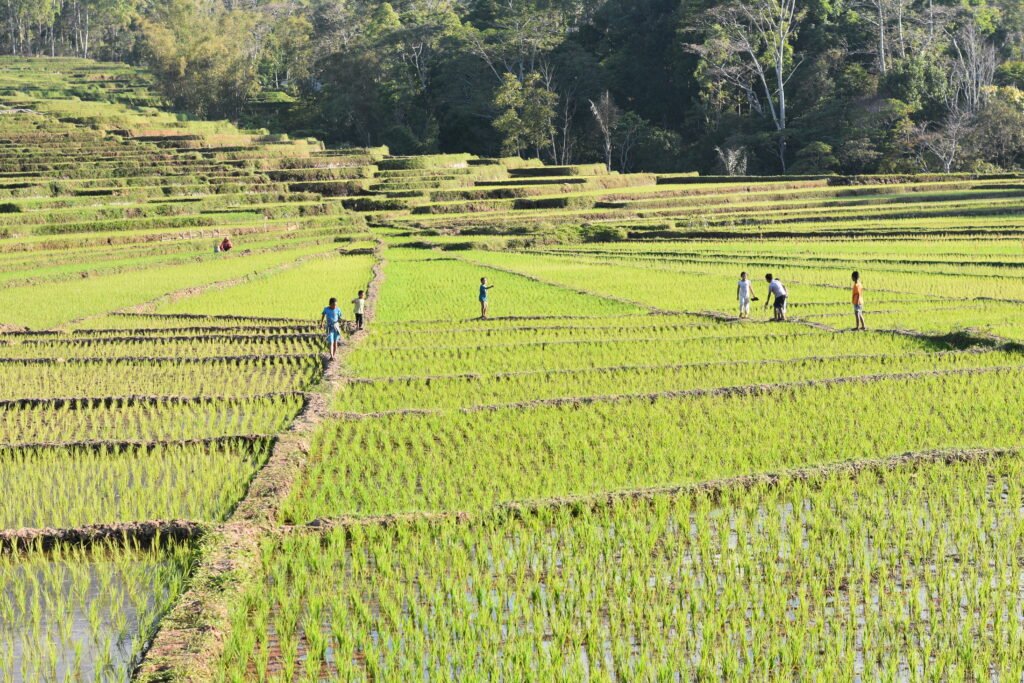
The kids playing in the spider rice field belongs to clan Ratung (this photo was taken on August 30th 2026).
Fleur celebrated her achievement of being able to accomplish her very first time planting rice experience
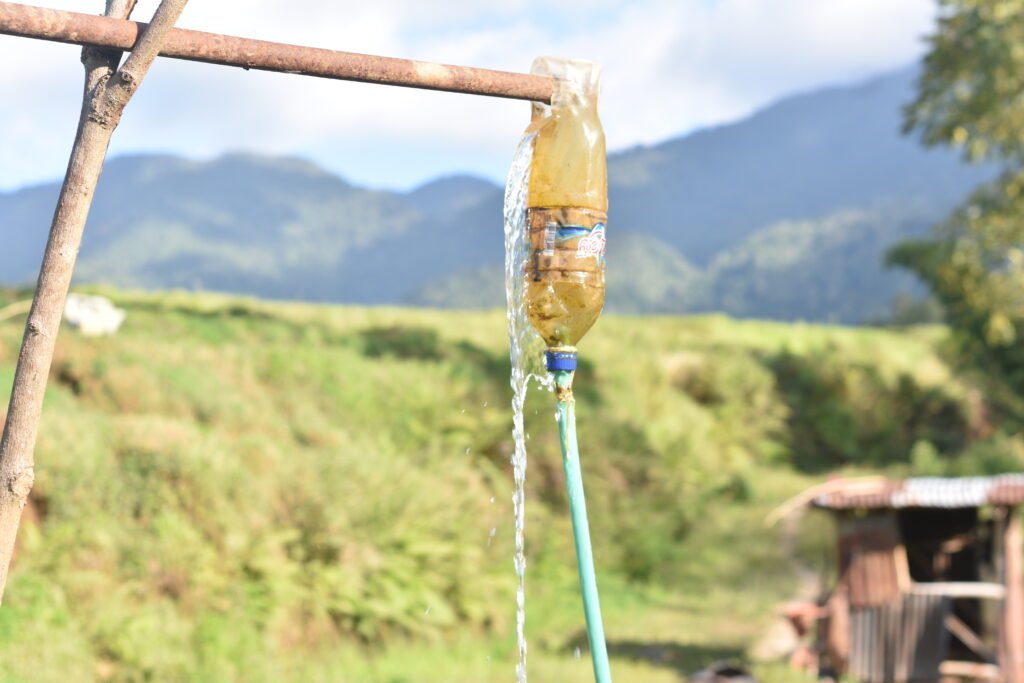
A farmer reuses the bottle of to water her vegetable. The farmer maximizes the other of paddy field to grow vegetables
Putting out new seeds
A group of farmers pulling out the new seeds of rice and ready to spread them to the rice field as ne planted rice to grow for at least 5 months to harvest
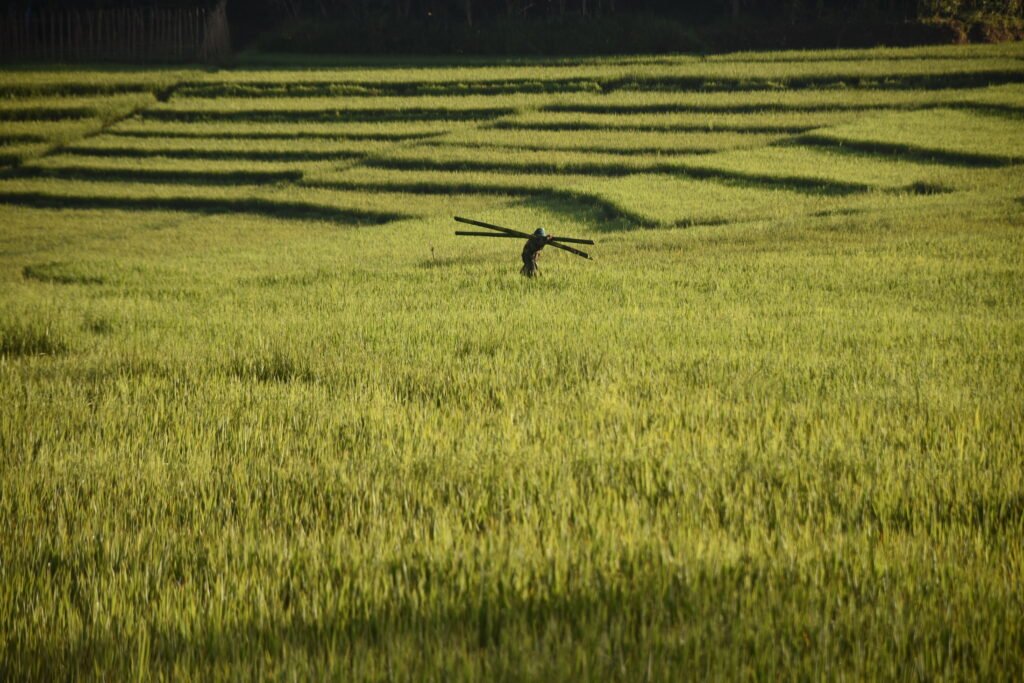
a farmer walking in Lingko Ratung spider web rice field. This photo was taken during a sunrise walk
Sea rice terrace rice field in Lingko Ratung spider web rice field
Best Travel Theme

Elementor Demos

With Love Travel WordPress Theme you will have everything you need to create a memorable online presence. Start create your dream travel site today.

Flores Traveler