
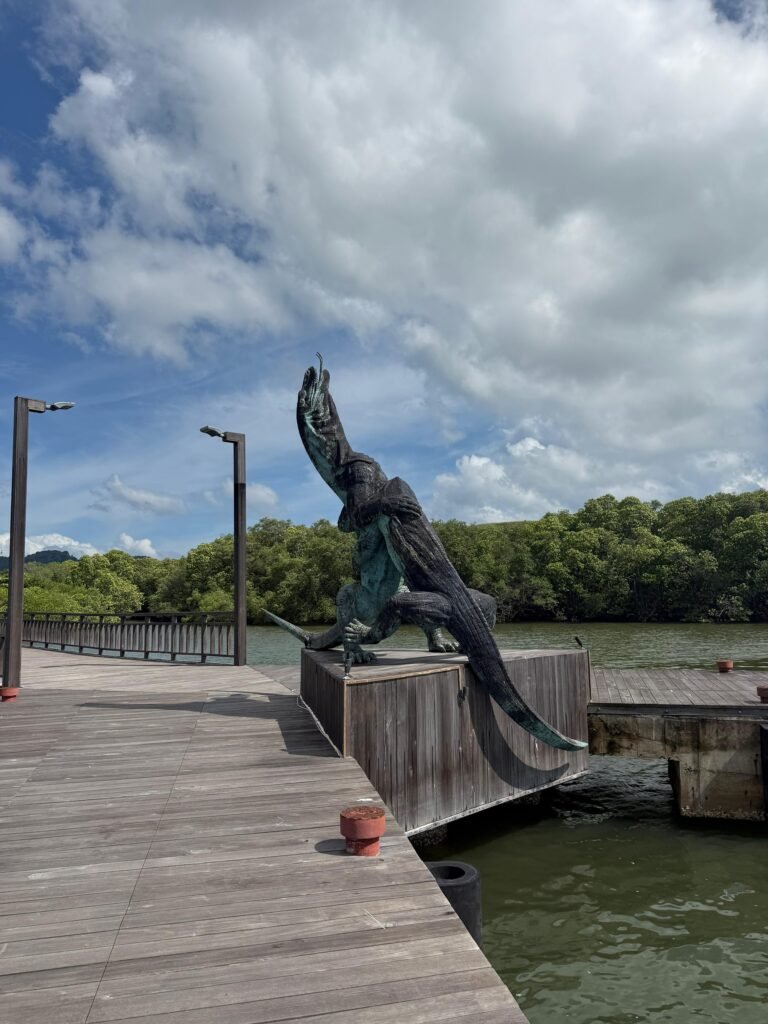
Rinca Island; Landscape and Rhythms of Life in the Second Home of the Last Dragons on Earth
Welcome to Rinca Island, an ancient fragment hidden in the heart of Komodo National Park.
As soon as the ship docked at Loh Buaya pier, hot, dry air immediately hit us, carrying the aroma of barren land and salty sea. a vast carpet of golden savanna stretches endlessly, welcoming every travelers. Rinca is not just an island; it is a natural stage that is honest and unforgiving.
In contrast to the lush Komodo Island, Rinca is home to steep hills that show off their rocky muscles. From the top of Doro Ora, you will see a landscape of the island’s contour lines snaking like the back of a sleeping dragon. Among the waist-high weeds, the sharp eyes of the ancient predator, varanus komodoensis, watched quietly. Here, Komodo dragons don’t need to hide behind thick trees; they are the masters of the savanna that blends perfectly with the color of the land. A total of 1,427 Komodo dragons are fighting for the food chain on this island with a population of 1,000-1,200 people.
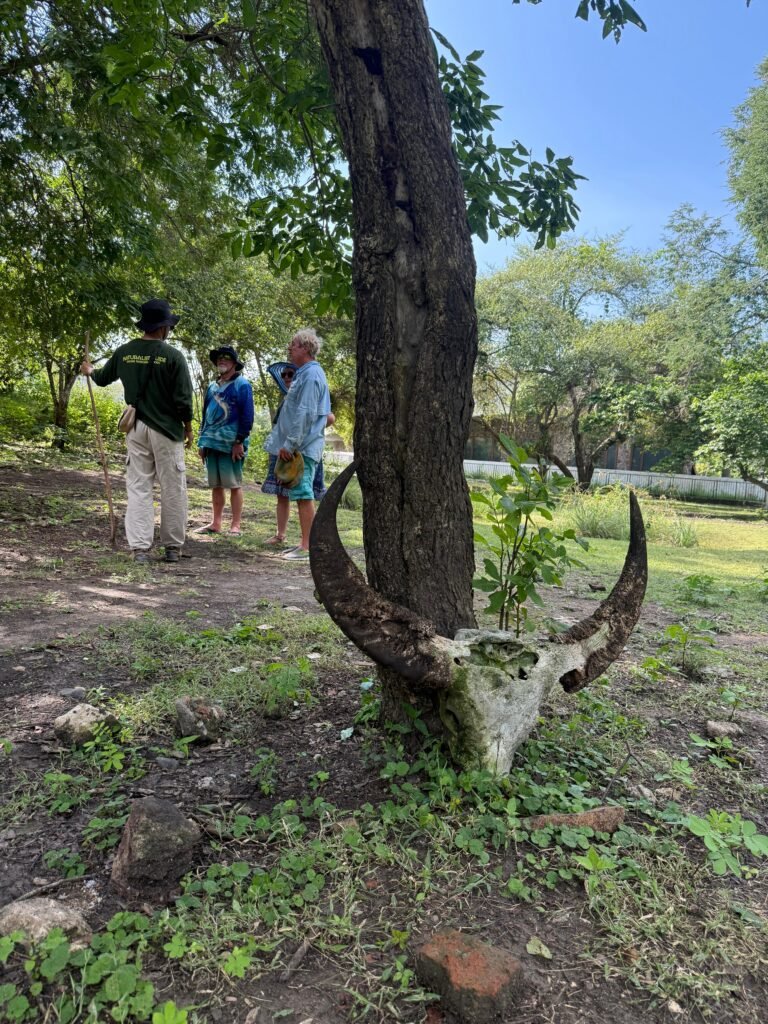
It is said that the origin of the word Rinca is Rencak which means ‘stopover’, because initially Rinca Island was a stopover place for fishermen to dry and cure their sea catch. In the Bajo language, Rencak is interpreted as ‘hilly’.
The inhabitants of Rinca land consist of various tribes who have lived for a long time from generation to generation, namely the Bajo, Bugis, Makassar, Bima, and Manggarai tribes. Some of them have intermarried with the native Komodo tribe (ata modo) which is the original population and the oldest tribe that inhabits and protects the islands of Rinca and Komodo. The same as the Komodo residents, the Rinca people also use their own language which they call wae modo (Komodo language). Generally, those who inhabit this island are Muslims.
The Komodo dragons on Rinca are different from the Komodo dragons on modo land. In terms of body size, the Komodo dragons on Rinca are generally smaller than those on Komodo Island, while the Komodo dragons on Komodo Island are bigger and bolder, this is due to the condition of the area and the food sources available on these two islands. The Komodo dragons on Rinca are also generally more accustomed to visitors and easier to find, in contrast to the dragons on Komodo Island which are more scattered in the forests.
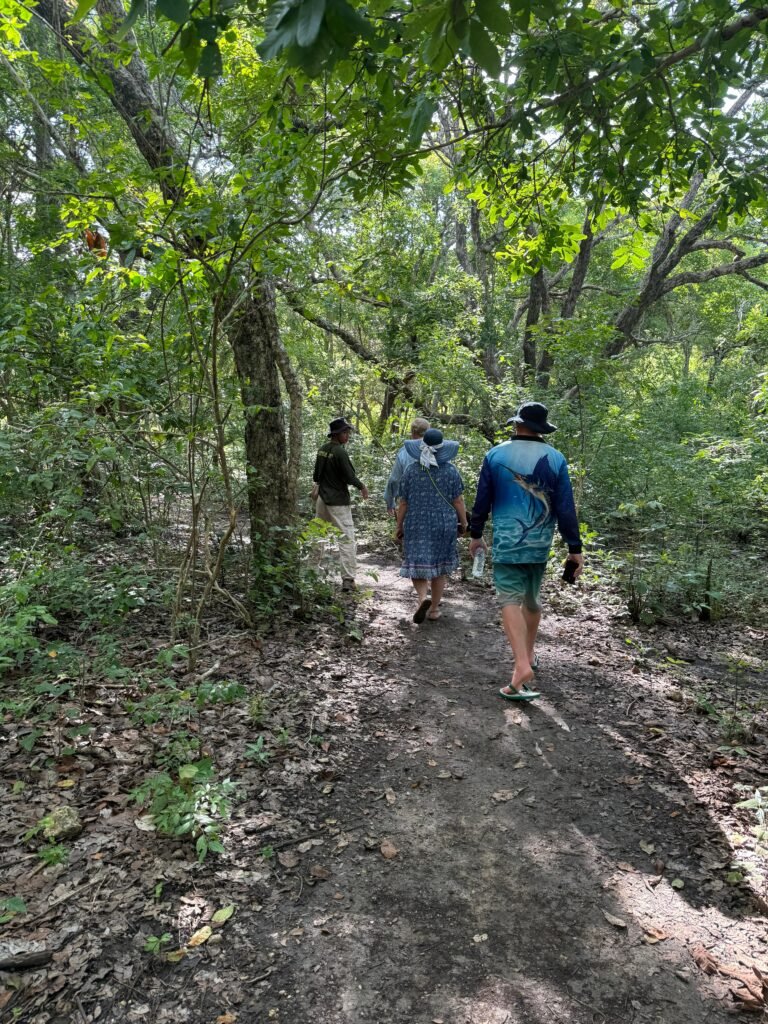
Walking along the trekking path in Rinca is both a meditation and an adrenaline test. The sound of palm leaves rustling in the strong wind becomes background music, while in the distance, water buffalo (bubalus bubalis) and Timor deer (rusa timorensis) look wary of being targeted by hunters who stand at the top of the food chain; the dragon. Life on Rinca is about a delicate but resilient balance between the heat of the burning sun and the shade of the mangrove forests on the shore.
As the sun began to fall, Rinca’s sky turned into a bruised orange canvas. The shadows of the hills lengthened, creating magical silhouettes that remind us that humans are just guests in this land of dragons. Rinca does not offer the luxury of a star resort, it offers something much more valuable: a reminder that wild nature still has its own charm which is certainly charming when left as is.
On this 19,800 hectare island, vegetation is not just a decoration for the landscape, but a form of self-defense against extreme climates. If the topography is the backbone, then the vegetation is the tough skin that envelops this island in two starkly contrasting faces.
Dominated by open savanna, Rinca’s vegetation is a true survivor. The palm tree (Borassus flabellifer) stands tall like a sentinel in the middle of a stretch of weed grass that turns yellow during the dry season. Its stiff fan-shaped leaves rustle when hit by dry winds, providing the only shade for Timor deer and water buffalo seeking shelter from the hot sun. Under the shade of this tree, the ecosystem runs at a slow but sure rhythm.
However, behind the aridity, Rinca’s land holds hidden green surprises. In valley areas and along dry river courses, tropical monsoon forests grow. Here, trees such as Tamarind (Tamarindus indica) and Bidara trees (Ziziphus mauritiana) provide fruit for wildlife. Its large roots grip the hard pale red soil, creating a natural labyrinth that is a favorite place for baby Komodo dragons to climb and hide from adult predators. Meanwhile, rows of mangrove forests have become a green fortress that protects the land from abrasion along the coastline.
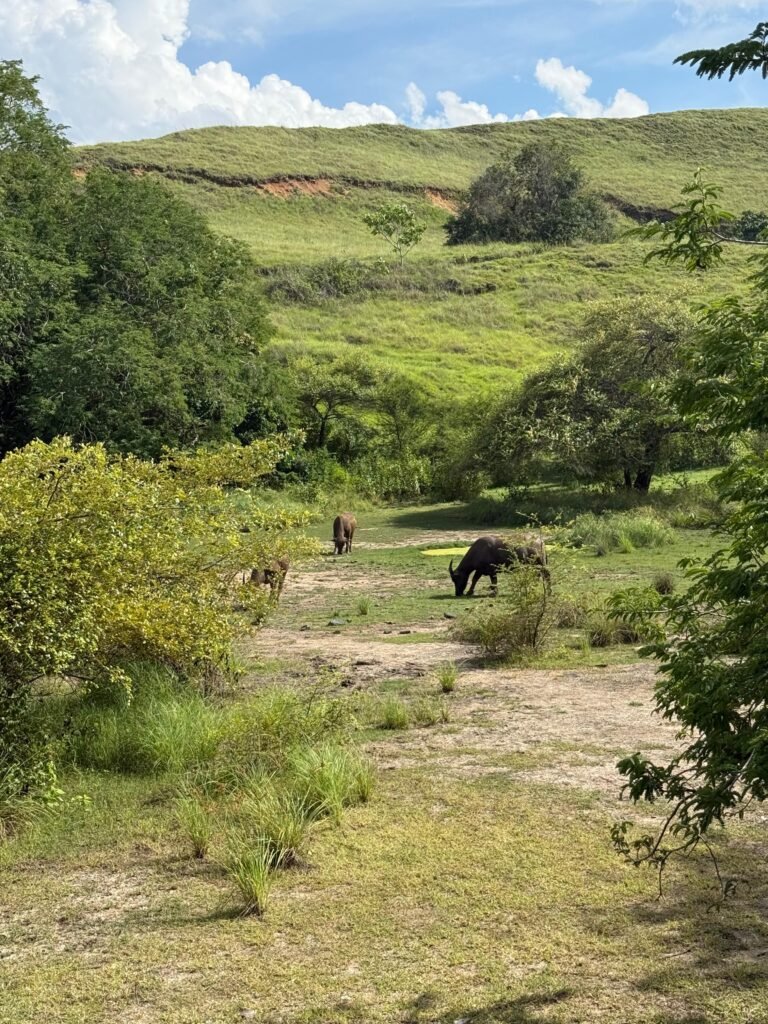
The vegetation on Rinca is a narration about adaptation. It changes color with the seasons; from a dramatic golden brown to a deep emerald green when the rain arrives. On this island, every bush and every blade of grass plays an important role in maintaining the survival of the ancient dragon. Exactly the same function as the petty humans who consider Komodo to be their brothers.
Explore Komodo National Park with us and here is what we can offer for you to Value Your Holiday